

100 Years of Boston Comedy Companion
The Early Years
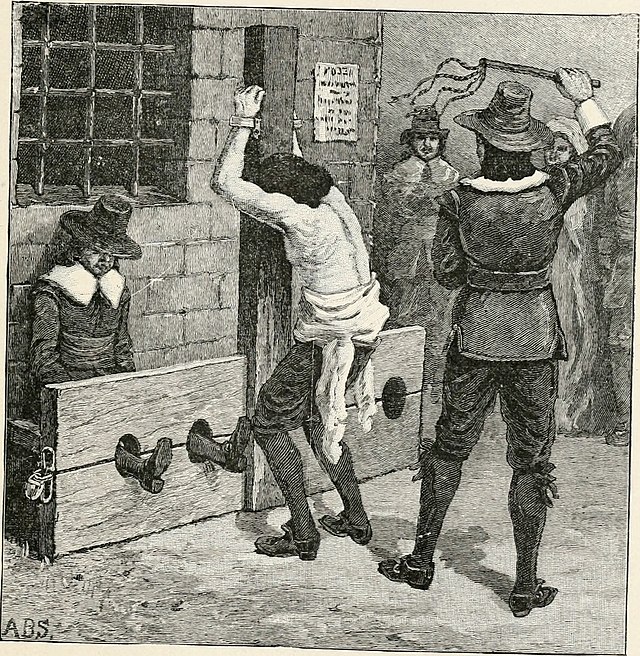
Puritans in the Old Bay Colony weren’t known for their sense of humor. If they didn’t like your sense of humor, they might make you a stationary target for the apples and tomatoes thrown at you.
Vaudeville – Roughly 1880-1930
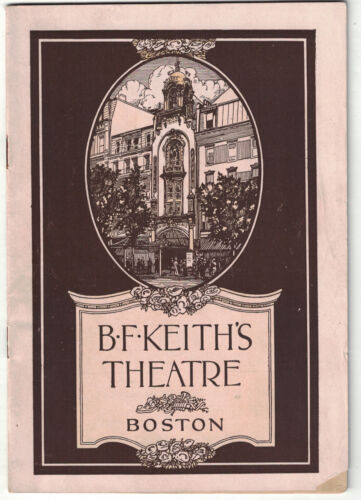
If we are discussing live comedy, we would naturally start with vaudeville. There was live comedy before vaudeville, in saloons and burlesques that often carried less than stellar reputations. Variety and burlesque started to coalesce into what we recognize as vaudeville in the late 1800s. B.F. Keith and Edward F. Albee put a fine point on it in 1894 when they opened B.F. Keith’s Theatre on Tremont Street. It featured “continuous vaudeville,” which meant performances would run all day, often from 10am to 10pm.
Industrialization meant more people in cities, which created an opportunity to entertain them. And since variety in taverns and small houses had such a bad reputation, Keith wanted to change the public outlook. So his houses would feature “high class vaudeville.” Nothing too risque or offensive, especially to religious sensibilities. Although there were performers, like Eva Tanguay, who would challenge vaudeville censors with her act and get away with it because of her popularity.
Some Boston-based performers who came from vaudeville: Jack Haley and ray Bolger (whom you know as the Tin Man and Scarecrow, respectively), and Malden native Jack Albertson (Grandpa Joe in Willy Wonka and the Chocolate Factory).
Fred Allen
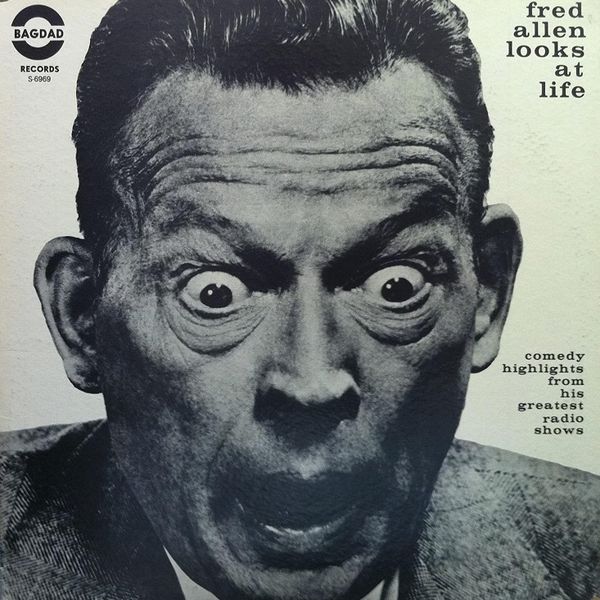
On May 31, 1894, a little over two months after the Keith Theatre opened, Fred Allen was born on Union Street in Somerville as John Florence Sullivan. He found his inspiration for comedy at the Boston Public Library, where he worked as a teenager. Allen participated in a talent show for BPL employees, juggling and telling jokes, and found he could make more money on the vaudeville circuit than fetching books for readers at Bates Hall. So he became Fred St. James at first and billed himself as the World’s Worst Juggler.
Vaudeville led Allen to Broadway in New York, and eventually to radio, where he established himself as a legend of the form with a 17-year career until his last show in 1949. Radio had begun to give way to TV, and Allen was not a huge fan of the technology. He once said, “Television is a device that permits people who haven’t anything to do to watch people who can’t do anything.” Still, he did appear on some television shows, most notably “What’s My Line?”
Allen prized the writing, and worked hard every week to produce new material. You can view some of his scripts, letters, and photographs in the Boston Public Library’s Special Collection holdings.
When people think of Fred Allen, they tend to remember his feud with fellow radio legend Jack Benny. Some people still feel the enmity was real, but the two were good friends.
Bob & Ray
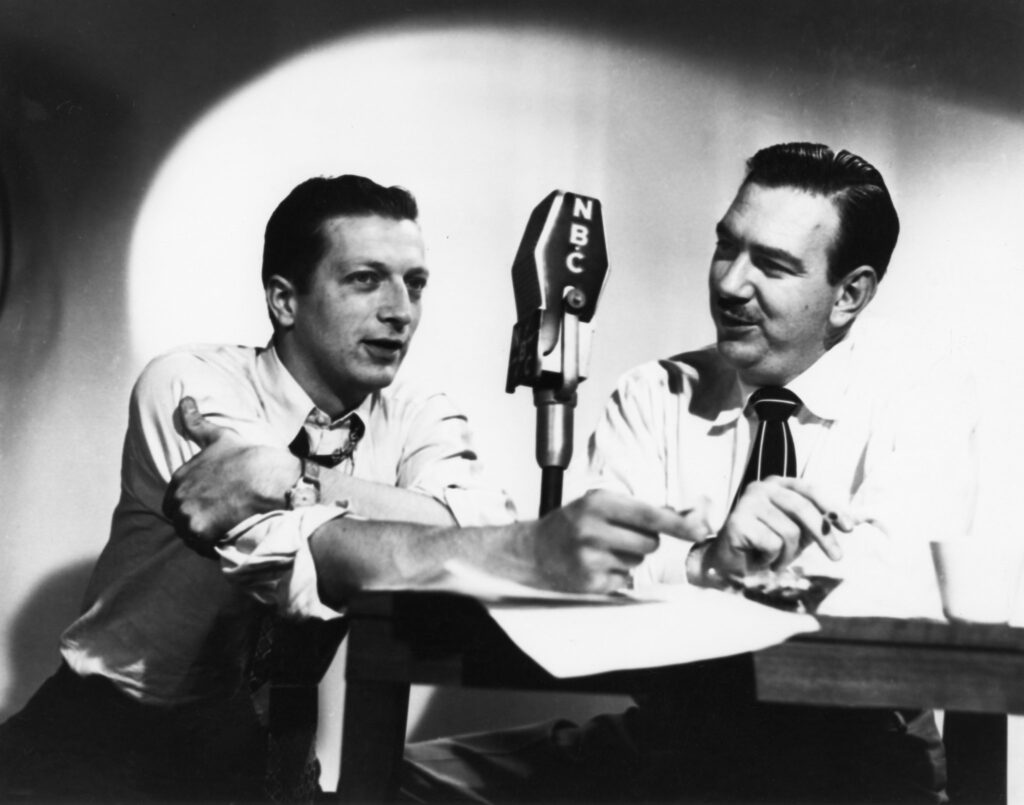
Bob Elliott and Ray Goulding began their partnership in Gloucester in 1946 on WHDH. Bob was already working there, giving reports on fish prices, DJing an afternoon music program, and doing live spots from downtown clubs, when Ray joined. They hit it off, and would continue to work together for forty years, bouncing from station to station, from radio to television and back, to spots in MAD Magazine and shows on Broadway, finishing out their career on NPR in the 80s.
A Musical Interlude
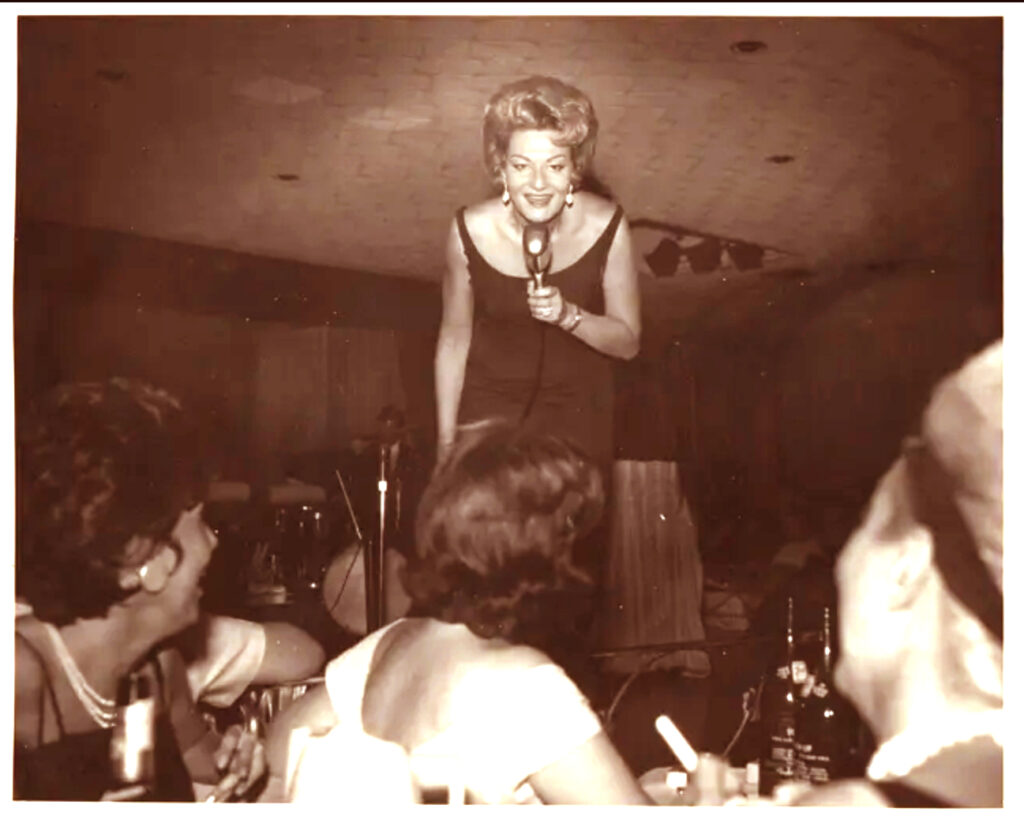
In the 50s, two great pioneers of musical comedy and satire started their careers in Boston at prestigious schools. Rusty Warren was at the New England Conservatory of Music. Tom Lehrer was at Harvard. Warren once played at Tanglewood, and Lehrer would become a lifelong teacher in the sciences. But it was their side hustles that made them famous.
Rusty Warren started to play covers of bawdy tunes at nightclubs, and found her off-color banter between songs was a hit. She recorded her first album, Songs For Sinners, in 1959, and would break through a year later with her hit song “Knockers Up.” It was too racy for TV or radio, but people flocked to her shows and made her the best-selling comedian in record stores in 1962.
However racy she was, she tried to avoid using profanity onstage. When I interviewed her in 2006 for Bust Magazine, Warren explained her bawdy style. “My attitude was, all of a sudden you’re telling me I’m not supposed to enjoy like something I know I like? You great men of the world, all the males were telling us the rules we had for today. So I found it amusing. But I knew I had to titillate. I knew I couldn’t be out in full-bodied vulgarity and have it work.”
She would continue as a popular live performer and help pioneer the comedy album through the 60s, but eventually the wild music and comedy developing in the mid to late 60s left her material feeling a bit less risque. But the records persist, and every so often, she is rediscovered and enjoyed for her pro-sex and proto-feminist songs and routines.
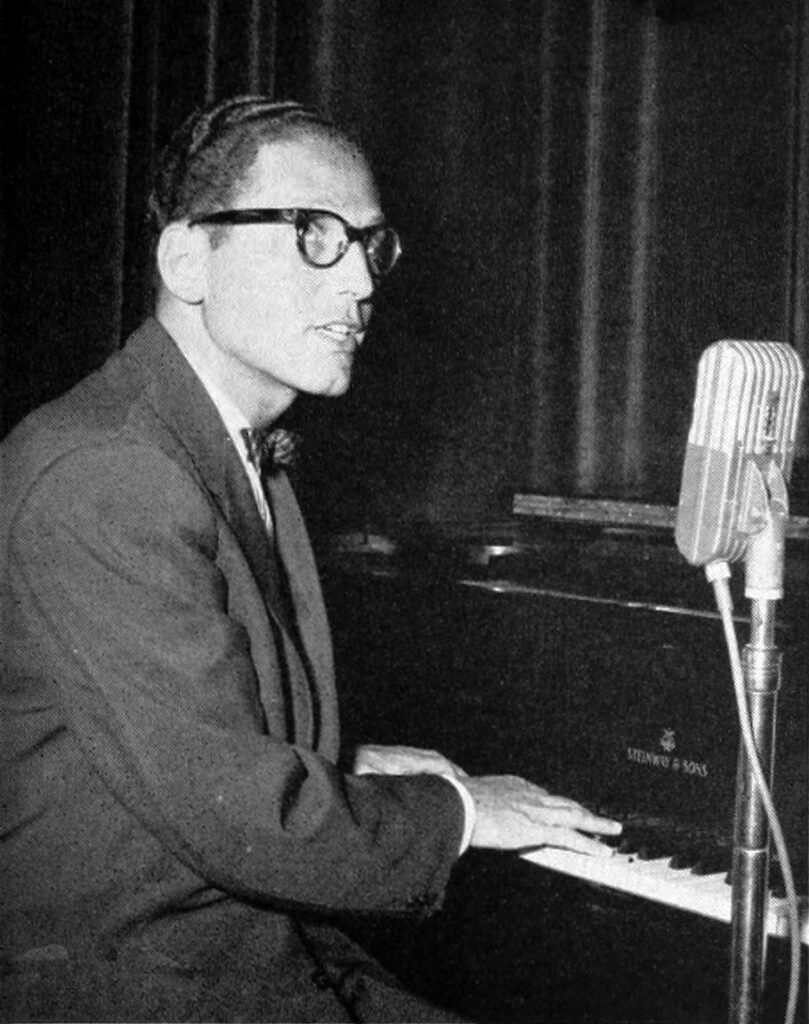
Tom Lehrer entertained his fellow Harvard students at the piano with his self-produced 1953 debut, Songs By Tom Lehrer. A New York native, Lehrer was just 15 when he entered Harvard, and just 17 when he wrote his first song, the very silly “Fight Fiercely, Harvard.” When he finished at Harvard as a grad student and teaching fellow in June of ’53, he played some local gigs and paid a whole $15 to a local studio to record and edit his first album. He pressed 400 copies, not expecting much. He would record three more albums, tour the States and Europe, and then quietly go back to teaching, though he would still play every now and then and wound up writing songs for both Electric Company and Sesame Street.
On November 26, 2022, Lehrer made all of his songs public domain and offered them as free streams and downloads on his site, www.tomlehrersongs.com with the disclaimer, “THIS WEBSITE WILL BE SHUT DOWN AT SOME DATE IN THE NOT TOO DISTANT FUTURE, SO IF YOU WANT TO DOWNLOAD ANYTHING, DON’T WAIT TOO LONG.”
Changes Through the 50s and 60s
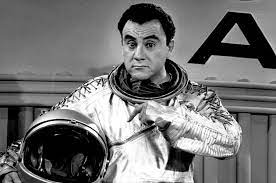
A couple of popular comedians in the late 50s and early 60s, Norm Crosby and Bill Dana, made names for themselves once they left town. Born Bill Szathmary in Quincy, Dana served as a gunner in WWII, then studied speech and dramatic writing at Emerson College. He moved to New York City and worked his way up from a page at NBC to writing on The Steve Allen Show, where he debuted the character who made him famous, Jose Jimenez. Jimenez was an immediate hit, and launched Dana to create some of the most popular comedy albums of the 60s. Although he says he felt more comfortable as a writer than a performer, and would write a landmark episode of All In the Family starring Sammy Davis Junior.
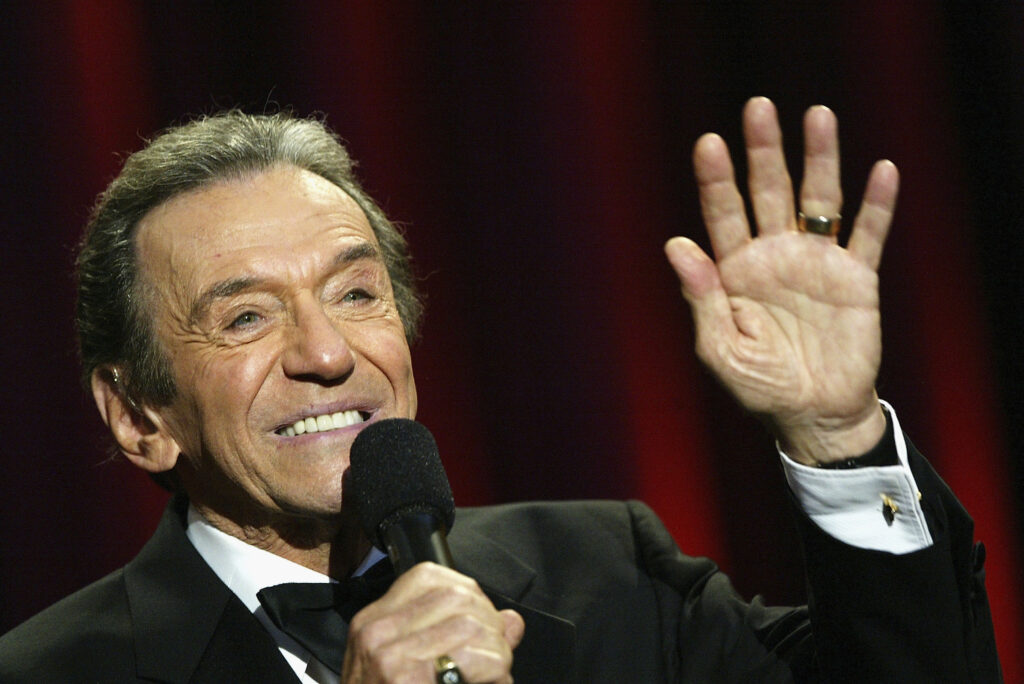
Norm Crosby was born and raised in Dorchester, and went to Dorchester High. Before comedy, he worked as an advertising manager for a shoe company. There were no full-time comedy clubs in Boston, or really anywhere, when Crosby started in the 50s. So he played weekend clubs around suburbs and surrounding towns, mostly cribbing material from comics he saw on the Tonight Show. That changed with his first big break in New York, where all those comedians worked. Forced to evolve, he became Master of the Malaprop. “I started to screw up the words and distort the facts and throw those malaprops in and that way I would be doing something unique,” he told me in a 2006 interview.
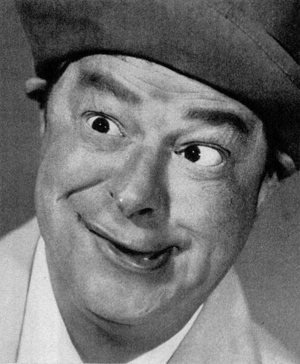
If you want to mark the change in comedy from 1960 to 1970, just compare the careers of these two Boston natives – Frank Fontaine and Jane Curtin. Fontaine was a working comedian in the 50s, but didn’t find his breakthrough until 1962 playing Crazy Guggenheim, a kind of rumpled, tipsy character whose voice became clear as a bell when he sang.
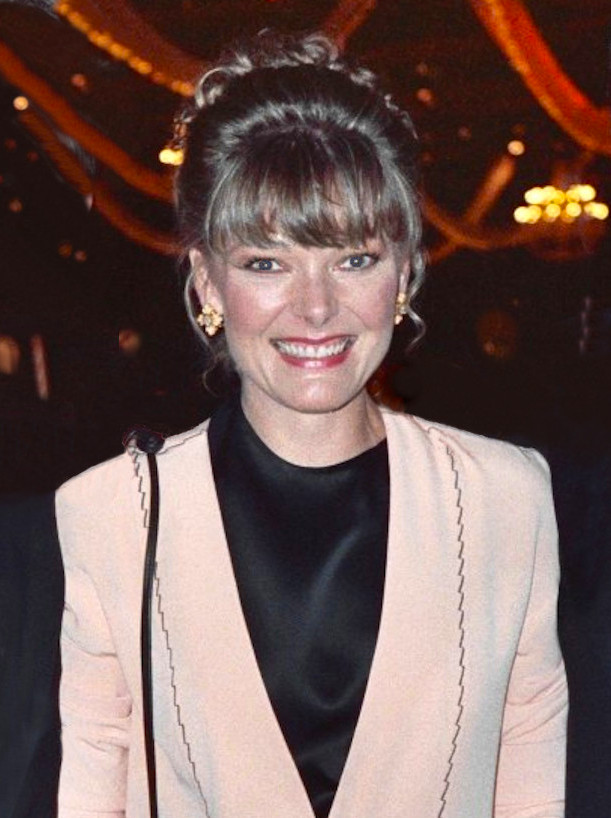
Curtin was born in Cambridge, grew up in Wellesley, and went to Northeastern University. She left Northeastern in 1968 to join The Proposition, a music and improv group that also counted amongst its alumni Josh Mostel, John Forster, and Frad Gandy. Curtin left Boston for New York in 1972, and would eventually join the groundbreaking television sketch comedy show Saturday Night Live as one of the original cast members in 1975.
Jay Leno and the 70s
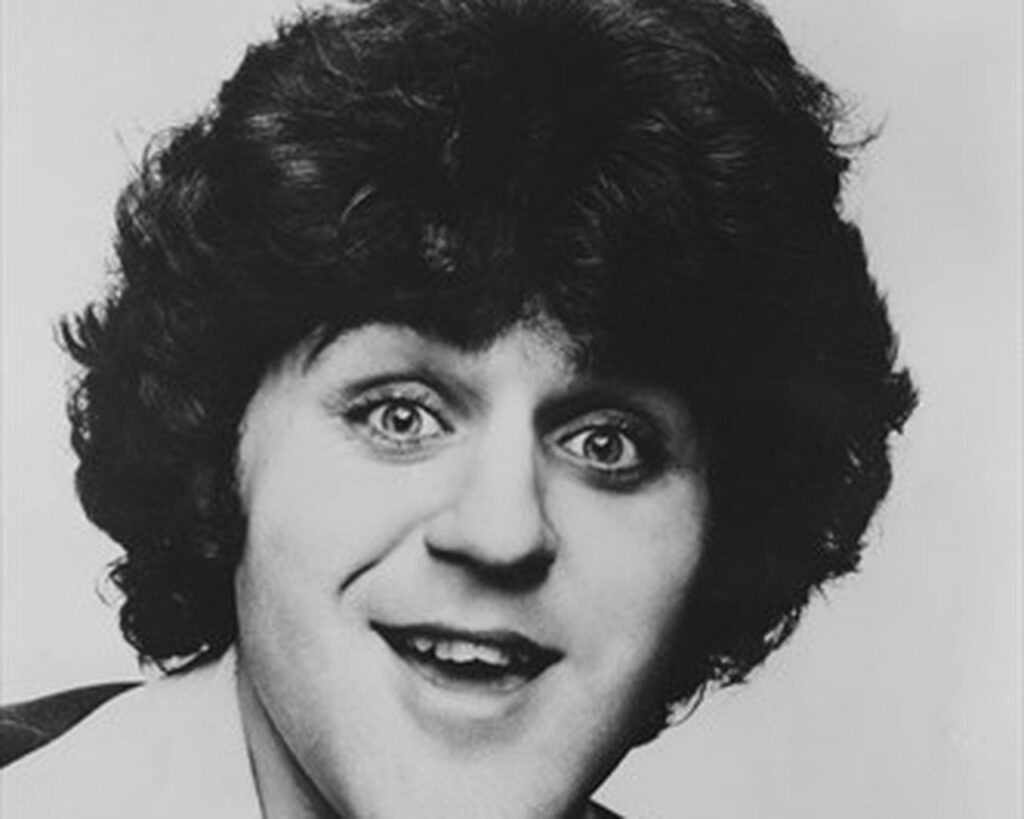
The 70s were a rough time for Boston comedians. There were still no full-time comedy clubs when Jay Leno started to make a go of it in the late 60s and early 70s. Like Fred Allen before him, Leno started with a talent show at his workplace, winning the cash prize at the Andover McDonald’s. He would play coffeehouses, strip clubs, prison wards – wherever he could get onstage. In his memoir, Leading With My Chin, he recounts a gig in Revere for a club owner who told him not to wear good clothes. Leno regretted not taking that advice when the audience started to throw lit cigarette butts at him.
While working at a car dealership and going to Emerson College, Leno began to drive to New York to clubs like The Bitter End to get stage time (he would sometimes carpool with Andy Kaufman, who spent a short stint at Grahm Junior College, where he would create Uncle Andy’s Fun House for campus television). Leno would meet up-and-comers playing Boston’s Playboy Club, and see some of those people grabbing TV spots. He left everything in his apartment behind and moved to LA, and eventually got his first Tonight Show spot in 1977.
The 80s Boom
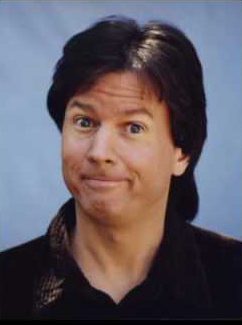
The 80s Boom in Boston officially began with the creation of the Comedy Connection, Boston’s first full-time comedy club, in 1978. Paul Barclay and Bil Downes inherited the room at the Charles Playhouse from Sean Morey, who performed and taught a class there. They took it from just a Wednesday show to a full-time club, hiring aspiring comics like Mike Donovan, Bill Campbell, Steve Sweeney, and a few others who had been trying to make a living in stand-up. In 1979, Barclay and Downes started a show at the Spring Street Saloon, which eventually became the Ding Ho. Upstate New York transplant Barry Crimmins took over that room, and the Connection and the Ding Ho became the twin tentpoles around which the 80s Boom was built.
Nick’s Comedy Stop opened in 1981, then ImprovBoston started as a troupe in 1982. Stitches, the front room of the Paradise Rock Club, opened in 1982, and would later host an open mic where a couple of New Hampshire kids, Sarah Silverman and Adam Sandler, would dip their toes into the stand-up world for the first time. Catch A Rising Star opened in Harvard Square in 1987. That same year, musician-turned-comedian Dick Doherty opened Dirty Dick’s (Not Just Comedy), which was rebranded a few months later as the Comedy Vault, a staple in the scene for decades to follow.
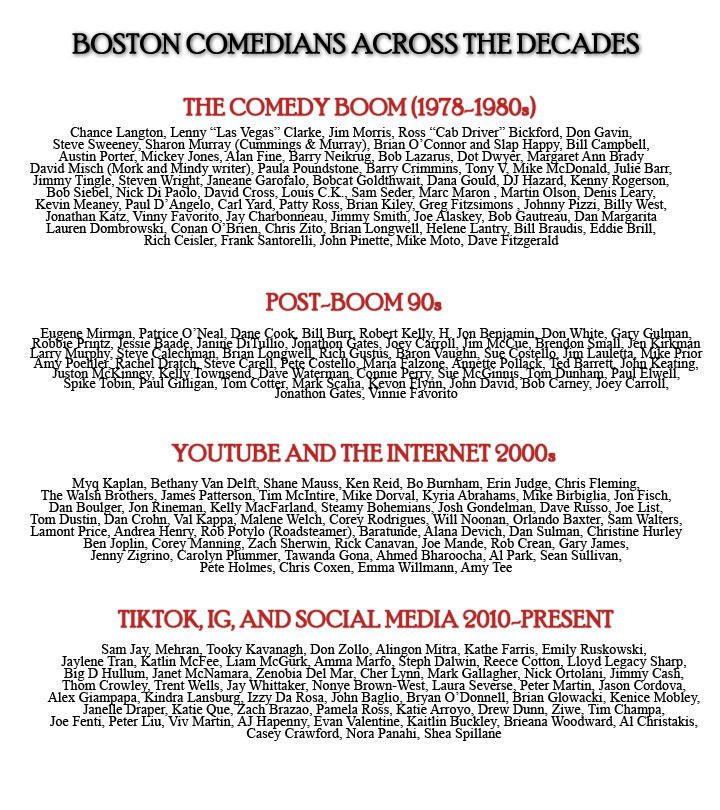
Boston produced its share of home-grown comics, including Lenny Clarke, Paula Poundstone, Jimmy Tingle, Mike McDonald, Don Gavin, Tony V, Denis Leary, and Steven Wright. And once Wright got on the Tonight Show in 1982, comedians from other scenes moved to Boston. Barry Crimmins, Jonathan Katz, Julie Barr, Frank Santorelli, Jeff Allen, and Kenny Rogerson all moved here for comedy. Wendy Liebman, Mario Cantone, and Lauren Dombrowski, who would later write for MADtv, were a regulars.
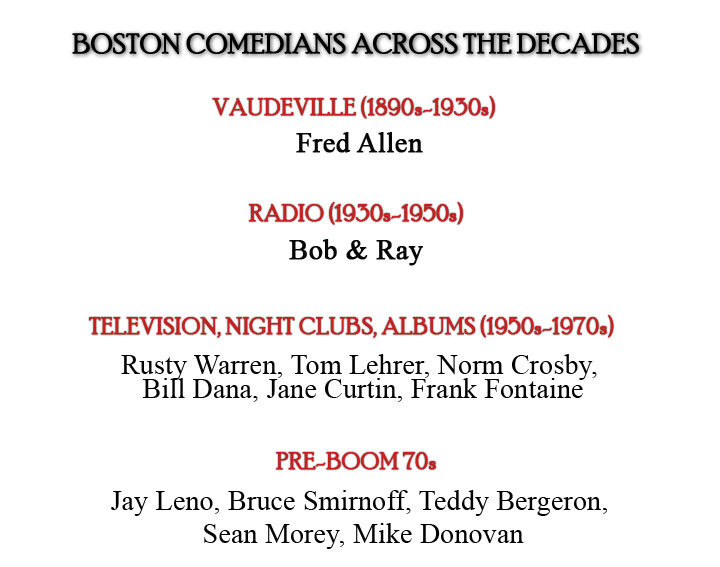
You can see the difference in these charts I use it the presentation. This is Boston comedy before the boom.
And this is Boston comedy after the clubs opened up.
The Ding Ho closed in 1984. Giggles opened in 1989. The description “alternative,” though not entirely accurate, was starting to become common parlance in music.
The next wave of comedians would help set the foundation for what would become known as alternative comedy. David Cross was performing in a sketch group, Cross Comedy, at Catch A Rising Star. Bobcat Goldthwait and Tom Kenny (whom you know as the voice of SpongeBob SquarePants) followed fellow Upstate New Yorker Barry Crimmins to Boston. Janeane Garofalo came up from Rhode Island to play Boston clubs. Dana Gould was a staple, and young Marc Maron got his feet wet in comedy as a student at Boston University.
So when did the Boom end? Joe Rogan started out in Boston in 1988, doing open mics at Stitches, and was here until around 1994. He feels the boom was still active at that point. When I spoke with him in 2008, he said, “If you go to most cities and see their local headliners, they’re usually a notch below the national headliners. It’s not quite as creative. Not quite as funny. But in Boston, it was really the opposite. We would have the national headliners come in to Nick’s Comedy Stop and those guys would have to work with Steve Sweeney and Don Gavin and they would look terrible. And unfortunately, a lot of people in the rest of the country never got to know those guys.”
The 90s – A New Batch
Waves of comedians kept coming in the 90s. Dane Cook, Robert Kelly, Patrice O’Neal, Bill Burr, and Gary Gulman, Sue Costello, Maria Falzone, and Louis CK were in the next couple of groups. After starting with an open mic at Catch A Rising Star, Dane Cook went platinum in 2006 with his Retaliation album and became an arena comic. Robert Kelly is a national headliner with a popular podcast, You Know What Dude? Gary Gulman was gaining popularity for years when he had his artistic breakthrough in 2020 with his The Great Depresh special. And Burr is a phenomenon, who became the first comedian to headline Fenway Park in 2022, with opener and longtime friend, Tony V.
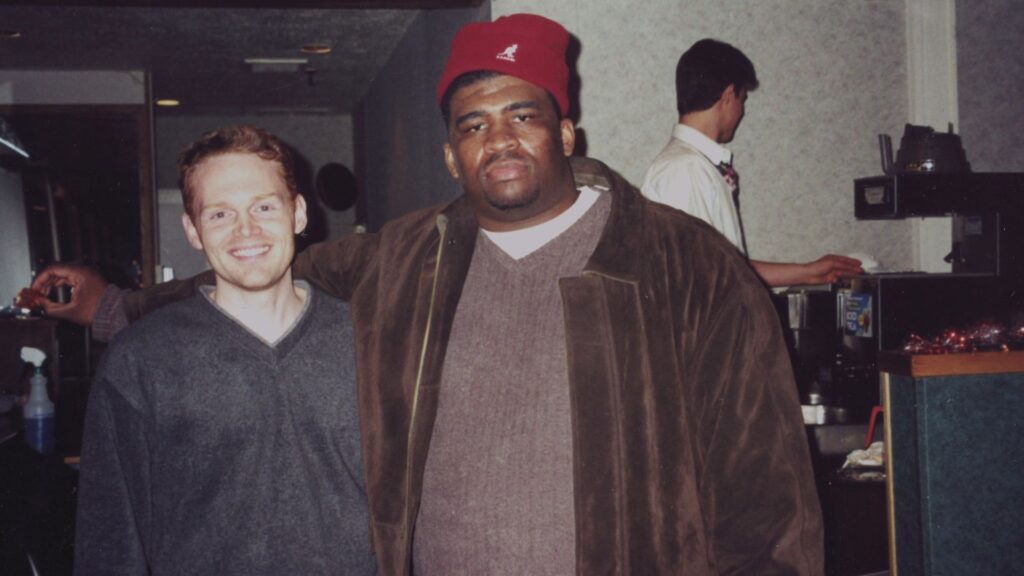
As a comedian, O’Neal would talk about race and sexual politics in a confrontational manner. He would pick fights with the crowd. He once came onstage at Comics Come Home at Agganis Arena wearing Yankees gear, right after the Red Sox had won the World Series in 2004. There was something in him that liked to punch and be punched.
In 1996, The Comedy Studio, brainchild of Catch comics Rick Jenkins and Thom Brown, opened on the third floor of the Hong Kong restaurant in Harvard Square, becoming the new home for the Boston’s ambitious oddballs. Eugene Mirman, who did his first open mic at Catch in ’92, with future Conan writer and Newton native Brian Kiley hosting, was a regular. So was Brendon Small, a Berklee student who used to do David Mamet parodies at the Studio and went on to co-create animated shows like Home Movies and Metalocalypse. Jen Kirkman, a regular on Chelsea Lately, developed her storytelling style here.
On the improv scene, Amy Poehler started performing with Boston College’s long-running troupe, My Mother’s Fleabag, graduating in 1993, studying at Second City, co-founding the Upright Citizens Brigade.
2000s to Now – Boston Is Still A Comedy Town
By 1998, Stitches and Catch were gone. The Comedy Connection had moved to Faneuil Hall where national headliners played on the weekends, and veteran comics like Kevin Knox and Paul Nardizzi hosted during the week. Jonathon Gates was holding The Black Comedy Explosion there, which he eventually moved to Slade’s, and now at the Carver Den every Thursday. ImprovBoston was still in Inman Square, a place where improvisers and sketch players could stretch. In 1998, Improv Asylum opened up in the North End, establishing their polished Main Stage show.
Musical duo The Steamy Bohemians merged burlesque, vaudeville, and stand-up in their Jerkus Circus shows. Whip-smart satirist Erin Judge hosted a sketch and character show called “Erin Judge Present” mixing highbrow with silly. Chris Coxen had a half dozen characters, including the suave lounge singer Barry Tattle, whose stories he would weave together with a mix of live performance and video sketches. The Walsh Brothers hosted a free-for-all stand-up and sketch show at ImprovBoston.
The scene has waxed and waned over the years, but the steady stream of comedians has continued uninterrupted. Shrewsbury native Mike Bibilgia created his own industry of one-person shows, starting with Sleepwalk With Me in 2008. Baratunde started as a comedian in Boston, and became a cultural and social pundit. Josh Gondelman went from hosting the open mic at Sally O’Brien’s to writing for Desus and Mero and John Oliver and appearing regularly on Wait Wait Don’t Tell Me. Zach Sherwin started at Club Passim under the moniker MC Mr Napkins and went on to write music for Crazy Ex-Girlfriend and touringwith The Crossword Show. Bo Burnham started posting funny songs on YouTube when still living with his parents in Hamilton in 2006, became a hugely popular theater comedian, and started directing movies and stand-up specials. Myq Kaplan, Shane Mauss, Joe Wong, Pete Holmes, Alex Edelman, Orny Adams – all spent formative years of their comedy careers in Boston.
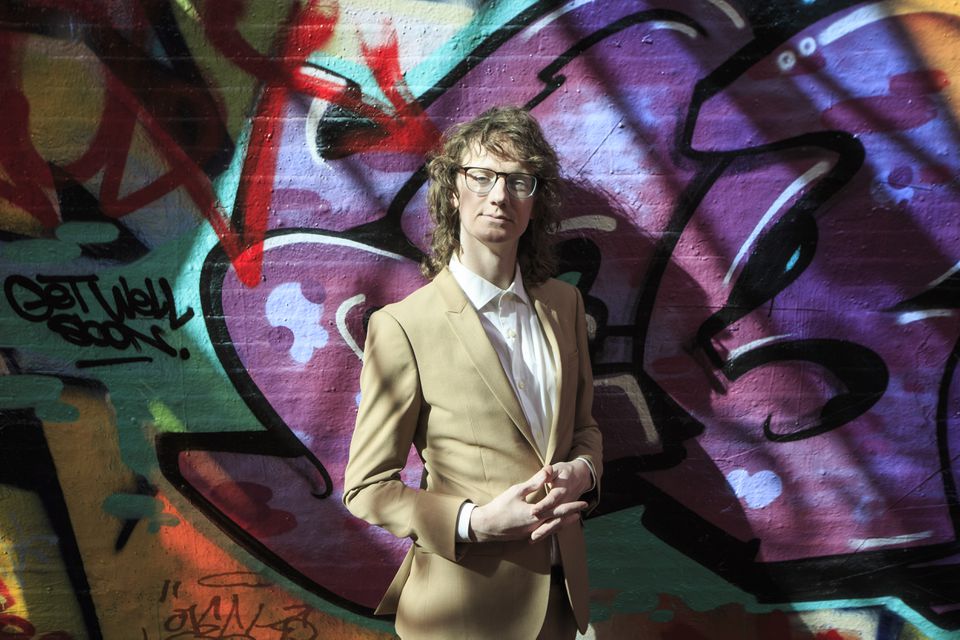
Chris Fleming was hot out of the gate with his Gayle web series, and just made another breakthrough in 2026 with his HBO special, Live At the Palace. Sam Jay’s career launched into the stratosphere in 2017 when she booked her first Comedy Central half hour special, was a New Face at the Just For Laughs Festival in Montreal, and was tapped to write for Saturday Night Live. Ziwe grew up in Lawrence, created her own space online, baiting guests into saying things that crossed politically correct boundaries, got hot with two seasons of her eponymous talk show on Showtime, and continues to create her own space today.
There are about as many clubs and theaters focusing on stand-up and improv in Boston as there ever have been. We lost a few – ImprovBoston, Mottley’s, Catch A Rising Star, the Ding Ho, Stitches, Dick Doherty’s Beantown Comedy Vault. But now we have Laugh Boston, Goofs Comedy Club, The Comedy Studio, Improv Asylum, Laugh Patriot Place, The Rozzie Square Theater, the Union Square Theatre, The Lil’ Chuck, the Off Cabot in Beverly, and bigger players like The Wilbur and Chevalier booking regular star headliners.
There are weekly and monthly one-nighters all around town. Jonathan Gates runs the Black Comedy Explosion every Thursday at the Carver Den in Dorchester. Stand-Up Stick-Up happens every month at The Vault Theater in Lynn. Laugh Giraffe is a weekly show at the Union Tavern in Somerville.
There are several annual festivals, including The Boston Comedy Festival, the Boston Fringe, and the Boston AAPI Comedy Festival. New nights are springing up all the time, catering to every kind of sense of humor and ticket price.
My best advice to you is to go see live comedy. And if you find something you like, drop me a line and tell me what’s making you laugh now.